Discover the common physical limitations that can affect balance, position and performance – and how physiotherapy can help you ride at your best
Hi, I’m Freya, one of the Physiotherapists based at Nicky Snazell’s pain relief clinic.
I’ve been fortunate enough to grow up on a small holding in Staffordshire with my family and our bunch of lovely animals. With chickens, runner ducks, dogs, sheep, our own family-run cattery, and of course our lovely 4 horses, it’s safe to say I’m absolutely animal mad! I have ridden my whole life, starting with a series of tricky loan ponies in South Staffs Pony Club, and I now regularly compete my own horse in the sport of ‘eventing’.
Alongside my job in the clinic, I am also a Stage 2 coach at a local riding school 1-2x a week and help people of all ages learn the core principles of the sport.
Whether it’s training in the glorious sunshine or mucking out in the depths of winter, us horse people work hard to keep our lovely equines happy and healthy. We spend so much time making sure their needs are met, whether it be the dentist, vet, farrier or physio; our horses get the life of luxury, and no niggle is too small.
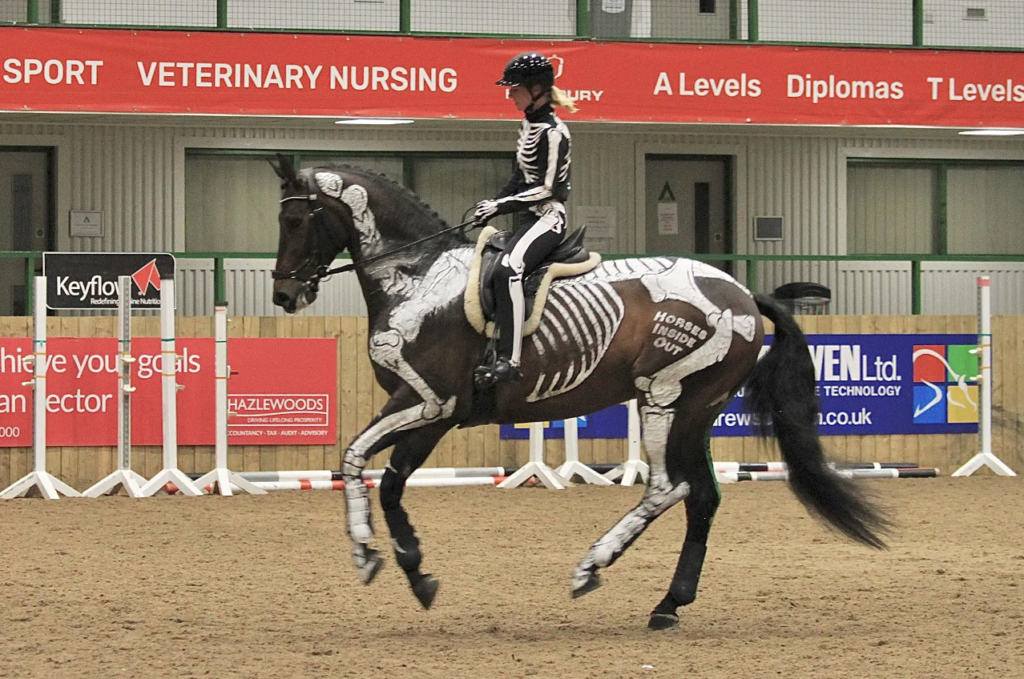
The secret to better riding isn’t always more time spent in the saddle.
Riding demands a unique combination of strength, flexibility, coordination, and endurance. When one area of the body isn’t functioning optimally, compensations can develop that affect both rider position and horse comfort.
Below, I will outline the most common physical issues that affect our riding performance, and how focused physiotherapy can make you feel stronger and more confident in the saddle.
Common physical issues that affect riding performance
Your core muscles provide the foundation for an independent and balanced seat. Weakness through the abdomen, lower back and pelvic muscles can lead to excessive movement in the saddle, reduced stability and difficulty maintaining posture. Those sticky grip jodhpurs can only go so far; without adequate core control, riders often find themselves relying on the reins or gripping with their thighs for balance, which in turn creates mixed signals for your horse. If we can address this through tailored exercise on the ground, it means you can deliver effective and precise aids when you’re back on your horse.
The hips and pelvis are essential for absorbing movement and maintaining an effective riding position. Reduced hip mobility can make it difficult to sit deeply in the saddle, develop a stable lower leg, or move fluidly with your horse’s stride. Many riders are surprised to discover that stiffness developed through desk-based work or everyday activities can directly impact their riding performance. We naturally curl up and tense when we’re practising a new dressage move or jumping a scary fence; loosening up correctly on the ground will significantly increase the stability of your seat and also means you’ll be a pro at no stirrup work!
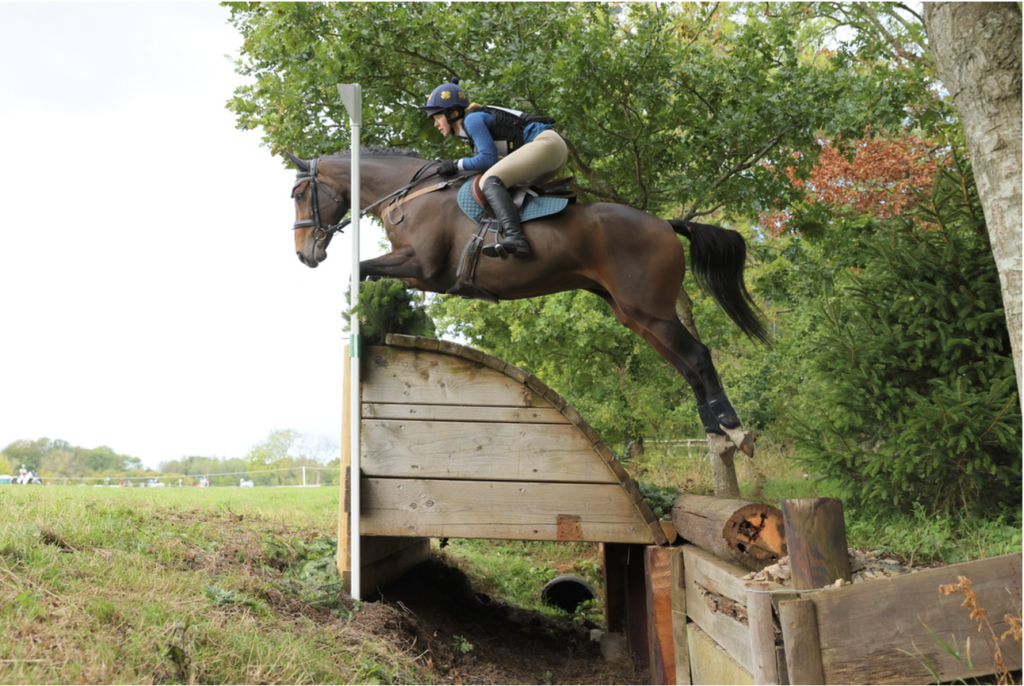
Tension through the shoulders, neck and upper back can interfere with rein contact and our communication with the horse. Horses are extremely sensitive creatures and if we project our stress onto them by clamping through our hands and elbows, they will react by tensing, shortening their step and becoming more on edge – and this is when accidents are more likely to happen.
Improving upper body mobility and posture will create a more relaxed and controlled riding position and in turn, help to keep your horse looser and happier.
Ever wondered – why do my stirrups feel uneven – is one leg longer than the other? Why does my lower back ache after every ride – am I sitting wonky? Or why is my horse so much more supple on one rein – am I putting more pressure down one side?
Very few people are perfectly symmetrical. Previous injuries, dominant-sided activities, and everyday habits can create differences in strength and flexibility from one side of the body to the other. In the saddle, these imbalances may present as uneven weight distribution, difficulty riding on one rein, or a tendency to collapse through one side of the body. Over time, these patterns can become habit, and as we begin to live with chronic aches and pains, our horses lose the ability to achieve true straightness or equal suppleness as they begin favouring one rein over the other. Developing better awareness of your body’s biomechanics can not only improve balance and overall performance, but also reduce the risk of falls and injury as our whole body works in harmony.
At our clinic, we understand that every rider is different. A physiotherapy assessment can identify physical limitations that may be affecting your riding and uncover areas that may benefit from a targeted approach.
Treatment may include:
If you’re looking for help treating a new or old riding injury, seeking general advice on how to optimise your performance in the saddle or just want a friendly face to chat about horsey issues too, I am happy to help. Your horse gets everything they need to keep them happy and healthy; why not treat yourself to a bit of luxury!
Contact us today to book a rider-specific assessment and discover how optimising your own movement can transform your performance in the saddle.
Your horse isn’t the only athlete in this game of two, and sometimes if we look closer it may be our own imbalances and weaknesses that impede their performance.