
Women’s Health with Lauren
A four-part series from the Nicky Snazell Clinic
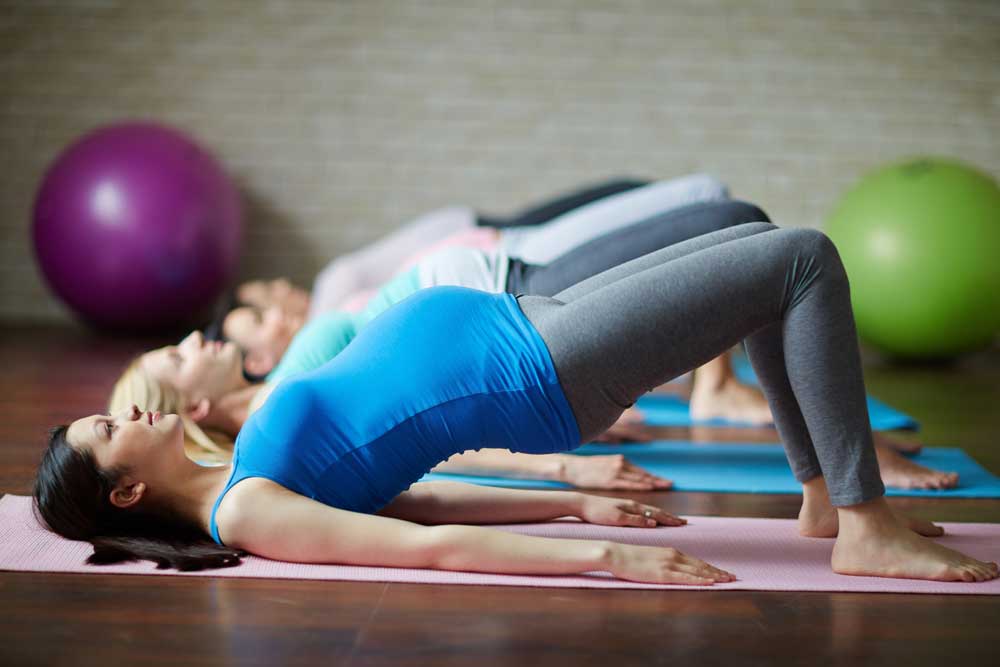
Pelvic health is finally getting the attention it deserves – but with growing awareness, often comes misinformation, confusion and outdated advice. As a women’s health physiotherapist, I meet incredible women every day who’ve been told myths that leave them feeling discouraged, confused or even ashamed of symptoms that are actually very common and most importantly treatable.
So let’s break down some of the biggest pelvic health myths and replace them with clear, evidence- based truths to empower you in your health journey
THE TRUTH – leakage urine after having a baby is common but not something you must accept as your ‘new normal’. Research shows that pelvic floor rehabilitation – guided by a trained physiotherapist – can significantly reduce or eliminate leakage for many women.
THE FACTS – Pregnancy and childbirth place considerable strain on the pelvic floor muscles and connective tissues that support the bladder and urethra. As a result, some women experience urinary leakage when they cough, sneeze, laugh, sun or life their baby – known as stress urinary incontinence.
THE EVIDENCE – urinary incontinence affects approximately one in three women during the first three months after childbirth, making it one of the most common postpartum pelvic floor symptoms (Thom & Rortveit, 2010). However, research consistently shows that pelvic floor muscle training is an effective first-line treatment. A Cochrane systematic review found that structured pelvic floor muscle training during pregnancy and after birth reduced urinary incontinence when exercises are performed correctly (Woodley S.J et al., 2020).
THE TRUTH – Kegel exercises are not a universal solution for pelvic floor dysfunction. While they can be highly effective for some people, they are not appropriate for everyone and, in some cases, may worsen symptoms.
THE FACTS – the pelvic floor is a group of muscles that need to be able to contract, relax, lengthen and coordinate effectively. People can have pelvic floors that are weak and would benefit from strengthening exercises, whilst others have overactive pelvic floors that struggle to relax; the focus of treatment is often on improving muscle relaxation, coordination, and movement rather than strengthening.
THE EVIDENCE – clinical guidelines recommend individualised pelvic floor muscle training, rather than prescribing Kegels to everyone with pelvic floor symptoms (NICE, 2019)
THE TRUTH – Pain during sexual intercourse is common but not normal, and it should never be dismissed as something you simply have to live with.
THE FACTS – Painful intercourse affects millions of women worldwide and can have many causes, including:
Pelvic floor muscle dysfunction, endometriosis, vulvodynia, hormonal changes (menopause, postpartum), vaginal dryness.
THE EVIDENCE – Population-based studies suggest that approximately 8-22% of women worldwide experience painful intercourse (dyspareunia). Dyspareunia is commonly reported in the first postpartum year, with a prevalence of 35%, which decreases over time. (Carlson, K & Mikes, B. A., 2026)
Importantly, painful sex is often treatable. A randomised controlled trial demonstrated that pelvic floor rehabilitation significantly reduced pain and improved sexual function in women with dyspareunia (Morin et al., 2017). A more recent systematic review and meta-analysis also concluded that physiotherapy interventions significantly improve pain and quality of life for women experiencing painful intercourse (Alonso-Magdalena et al., 2023).
THE TRUTH – Having a pelvic organ prolapse does not mean you should stop exercising. In fact, remaining physically active is beneficial for overall health, and most people with prolapse can continue exercising with appropriate guidance and modifications.
THE FACTS – Pelvic organ prolapse occurs when one or more pelvic organs descend into the vaginal canal due to changes in the support structures of the pelvic floor. Although some activities may temporarily increase symptoms this does not necessarily mean they are causing harm. Many women with prolapse can safely participate in walking, swimming, cycling, resistance training and even higher-impact exercise, depending on the severity of their symptoms and individual circumstances.
THE EVIDENCE – The International Urogynecological Association and the International Continence Society recognise pelvic floor muscle training as a first-line conservative treatment or pelvic organ prolapse and do not recommend routine avoidance of exercise (Haylen et al., 2010). The National Institute for Health and Care Excellence (NICE) recommends supervised pelvic floor muscle training for women with symptomatic prolapse and supports conservative management before considering surgery (NICE, 2019).