
Women’s Health with Lauren
A four-part series from the Nicky Snazell Clinic
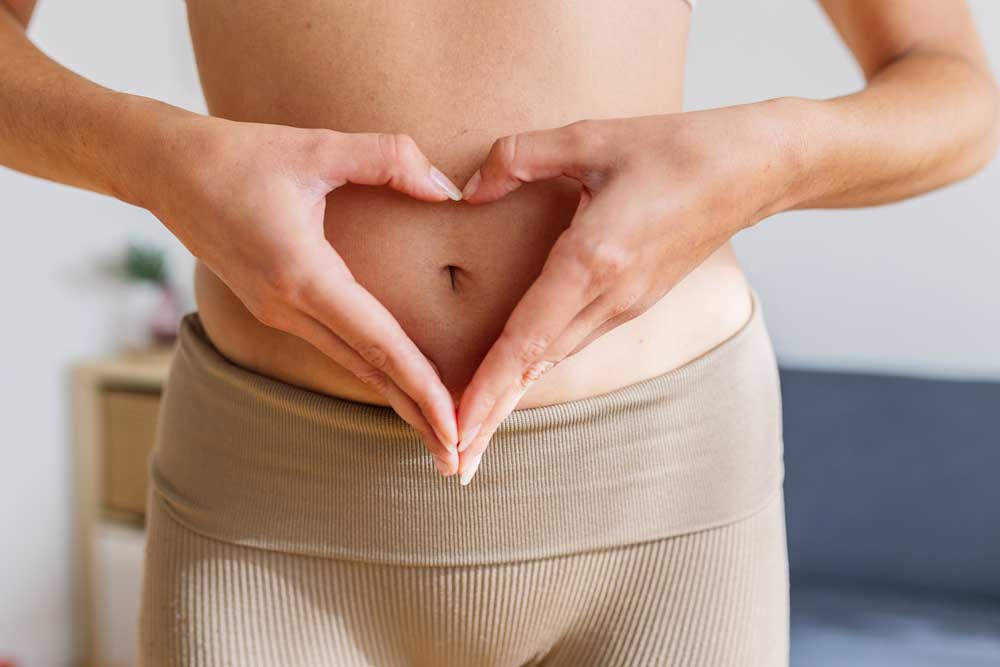
It’s all connected!
Have you ever noticed how your tummy feels when you’re stressed, anxious or haven’t been eating well? Maybe you feel bloated, constipated or just ‘off’. What many women don’t realise is that your gut and pelvic floor are deeply connected – physically, functionally and even emotionally
This isn’t just about diet – it’s about understanding how your digestive health and pelvic floor work together and how small changes can make a big difference. See Womens Health
Your gut and pelvic floor share more than just close neighbourhood space – they’re part of the same team
Anatomically – your bowel sits right on top of your pelvic floor muscles. If the gut is sluggish, bloated or constipated, it can place pressure on these muscles, affecting how they work
Functionally – when you go to the toilet, your pelvic floor needs to relax to allow the bowel to empty. If it’s too tense or tight, it may cause you to strain – and that strain is the pelvic floor’s enemy; it can weaken or overwork the pelvic floor over time.
Neurologically – the gut and pelvic floor share nerve pathways with the brain. This means that stress, anxiety and gut health can all impact how your pelvic floor feels and functions
Simply put – a happy gut often means a happier pelvic floor.
You might notice:
Over time, these issues can make your pelvic floor muscles tight, tired or less co-ordinated, sometimes leading to:
What you eat (and how you eat) can have a huge impact on both gut and pelvic floor function. You don’t need a strict diet, but a few mindful changes can make a big difference.
Here are some key points that I often share with my patients:
Aiming for a mix of soluble and insoluble fibre from fruits, veggies, wholegrains, and legumes can help keep your bowels regular and soft – reducing the need to strain
It might sound simple, but not drinking enough water is one of the most common causes of constipation. Aim for around 1.5-2L of water per day (more if you’re active or breastfeeding)
Caffeine, alcohol, carbonated drinks, and artificial sweeteners can irritate both the bladder and the bowel. You don’t need to cut them out completely – just notice how your body responds and adjust
Try to respond when you feel the urge to go to the toilet, and avoid long periods of ‘holding on’. Delaying bowel movements can make a stool harder and more difficult to pass.
The mind-body connection
Stress, anxiety, and tension can show up not just in your shoulders or jaw – but also in your pelvic floor and gut.
When we’re stressed, our ‘fight or flight’ system slows digestion and tightens muscles (including those in the pelvis).
This is why breath work, mindfulness, gentle movement, and regular exercise can all help calm both your gut and pelvic floor (if you haven’t already, check out my blog on the power of breath-work for core and pelvic floor health!)
If you’re experiencing:
It’s worth speaking with a women’s health physio or dietician who can work with you to find the root cause and help you restore balance.
By nourishing your gut with good food, staying hydrated, and learning to relax your body, you’re not just improving digestion – you’re supporting your pelvic health, confidence and overall wellbeing.