
To help you refer, we have printed referral cards
Most of our new clients come from people who care about others. But it’s not always easy to refer if you don’t know how to explain what it is we do. The fact is, we provide so much more than just physio, and by understanding this, you will find referring much easier. And each referral comes with a gift for you.
When a client presents us with a new problem, we consider it not just as a physical pain, but as three elements that can contribute to reducing the pain and restoring movement:
- Physical pain
- Nervous system
- How you feel on an emotional level
The location of the pain and its impact on the range of movement will be factors you can understand and communicate effectively. Less understood will be the interference with the nervous system, which can be the root cause of chronic pain. Its location can be physically far removed from where the pain is perceived to be.
An example of this is when nerves in the spine are compressed, yet the pain is perceived in the limbs, such as pain in the foot, even though the cause is in the lower (lumbar) spine.
There is, however, a further factor which is even more camouflaged and may not even be registered as existing to most, and that is locked-in trauma, potentially from a time much earlier in life. The trauma may not have even been physical. Instead, it may have been an emotional response to a traumatic event, and the mind locks in that emotion and links a physical pain to that emotion.
Thus, people can go through much of their life suffering pain, which fails to respond to normal treatments and in many cases is not even visible on modern scanning technology, including Xray and MRI.
In such circumstances the chronic pain being felt will not be resolved unless the root cause of that pain, the historic trauma, is first resolved.
Feelings thus become of significant importance, both elusive to resolve and difficult to communicate to others.
-
“They helped my pain, but something else changed too – I felt calmer, like I could breathe again”
-
“I can’t explain it – it’s not just physio, it’s like something reset”
-
“You just feel safe there. That’s when things start to change”
-
“They don’t just treat pain – they help you feel like yourself again”
How We Suggest You Refer
You may want to keep it simple and just say
“If it hurts and it moves – they treat it”
or use a broader description like
“I go to the Nicky Snazell Clinic. They don’t just treat the pain – they help you feel yourself again”

To help you refer, we have printed referral cards
You can get from reception. Just hand it to someone who mentions pain. That’s it, we will do the rest. As a personal thank you, we’ll credit your account by £20 for each person who turns up.
What’s The Difference And Why It Matters To You
Shockwave therapy has been around for years and now many clinics use it. Most of what’s out there, though, is radial shockwave. It’s great technology and has helped thousands of people recover from injury and get out of pain. We know, because we’ve used it for years ourselves and we’re big believers in it.
But like most things in life, one size doesn’t fit all. And that’s where focused shockwave comes in.
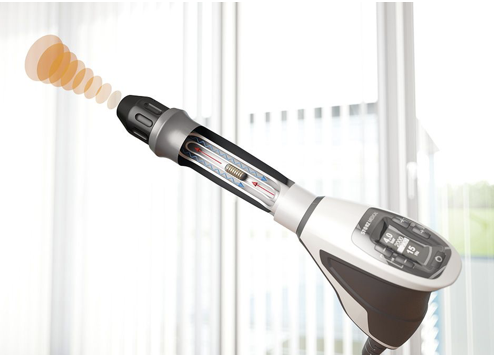
How Shockwave Works
Both types use acoustic energy (sound waves) to stimulate healing. These waves kick start your body’s own repair process, improving blood flow, helping new tissue grow, breaking down stubborn scar tissue, and reducing pain.
The key difference is how far and how accurately the energy travels.
A radial shockwave is like a ripple spreading across a pond. It starts strong at the surface and gradually fades as it goes deeper. That makes it perfect for treating more superficial problems, such as:
- Plantar fasciitis (also known as Policeman’s Foot)
- Tennis or golfer’s elbow
- Achilles tendinopathy (the upper part, near the skin)
- Shoulder or knee pain near the surface
- Calcific tendonitis
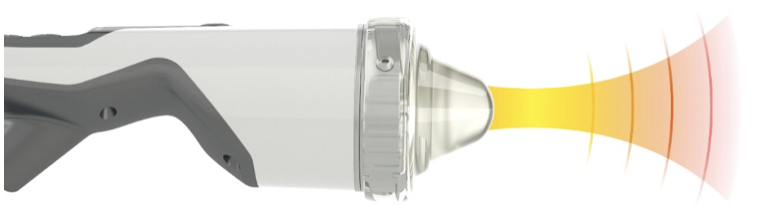

It’s safe, effective and widely available. We have several radial machines at our clinic because they deliver great results when used for the right problems.
Focused Shockwave. The Specialist Tool
Focused shockwave is a very different animal, and it’s rarely available in the UK. Instead of spreading out, it converges at a specific point deep in the tissue. Think of it like using a magnifying glass to focus sunlight. The energy can reach far deeper and be positioned much more precisely, even pinpointing structures several centimetres below the skin.
This opens the door to treating things that radial shockwave simply can’t reach:
- Deep-seated tendon and muscle injuries
- Bone stress or delayed healing
- Chronic hip, back or pelvic pain
- Conditions that have resisted other forms of treatment
It’s horses for courses
At the Nicky Snazell Clinic, we use both technologies because we know they each have their place. If the injury is close to the surface, radial shockwave is ideal as it’s efficient, comfortable and proven.
But if the problem lies deeper, a focused Radial Shockwave is the tool for the job. It can go right to the source of the pain with pinpoint accuracy, triggering the healing process exactly where it’s needed.
Why this matters to you
Very few clinics have focused shockwave, and they rely on radial shockwave, which limits what they can treat.
By having both radial and focused shockwave, we can match the treatment to the condition, not the other way round. That means faster recovery, longer-lasting results, and fewer frustrations when a stubborn injury just won’t shift.
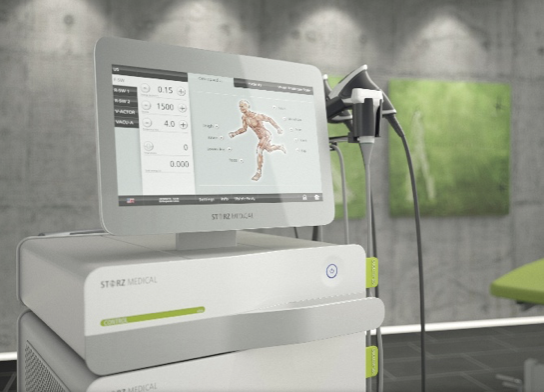
Focused shockwave represents a big leap forward in non-invasive healing. And, as you’ll see in our next blog, it’s not just a new gadget, it’s part of a much bigger step in precision pain treatment.
If you are in pain and nothing has helped, then our combination of both radial and focused shockwave might just be the technology that makes the difference.
If you are in pain, we can help
Call Now 01889 881488
A gentle guide to the Mummy MOT.
If you are a mum - whether your baby is six weeks, six months, or six years old, I want you to know this:
- Your body matters
- Your recovery matters
- You matter
You have grown and birthed a whole human - that's incredible! And just like any physical event (like running a marathon or having surgery), your body deserves expert support to recover, rebuild and thrive.
That's where the Mummy MOT comes in.
Wondering if a Mummy MOT is for you? (Spoiler alert- it probably is!)
Let's dive into the who, what, why and how of it all - because this could be your first step to truly feeling like yourself again.
Who?
If you've had a baby vaginally or via C-section, this is for you. Whether it was your first or your fifth, whether it was six weeks or six years ago, a Mummy MOT can help.
This isn't just for new mums in the early days. If you've notice things like:
- leaking when you sneeze, laugh, run
- a feeling of heaviness down there
- ongoing back, hip or pelvic pain
- a tummy gap / bulge that hasn't gone away
- pain in sex / difficulty getting back to intimacy.
- or even if you feel fine but you want reassurance you're recovering well then a Mummy MOT is 100% for you!
Why?
Why do I need a Mummy MOT? Let's be honest, after birth, the focus tends to shift completely to your baby. You are told your six week checkup is the green light to ‘get back to normal’ but very little attention is paid to how your body is actually doing.
Most postnatal checks barely scratch the surface.
The truth? Many women live with issues they think are just ‘part of being a mum’. But although leaking, pain and discomfort are common, they are not normal, and they can be resolved with the right support!
The Mummy MOT is about giving you that space. To be heard. To be assessed. To be looked after.
What?
What actually is a Mummy MOT? A Mummy MOT is a specialist postnatal checkup with a trained woman's health physio (like Lauren!) that looks at:
- your pelvic floor function
- abdominal wall checking for DRA / separation
- posture and core
- how your body is moving, holding an compensating
- Any aches, pains or concerns, both physical and emotional
We chat, we assess we make a plan that's tailored to you.
It's not about judgement. It's about empowerment. This is your safe space to ask all the questions you weren't sure you could ask. And to then get real answers.
When should I have a Mummy MOT?
Any time after six weeks postpartum is ideal. The main thing to know is it's never too late!
If you're struggling with sex or just want to reconnect with your body it doesn't matter if you're six weeks or sixteen years postpartum, you deserve some total loving care!
How does it work?
Here is what to expect:
1. An initial Mummy MOT assessment
Includes a 60 minute session to assess pelvic floor, abdominal wall and muscles, posture, breathing, movement patterns and any other concerns you may have. We'll talk about your birth experience, your symptoms (if any), your sex life and your goals - whether that's getting back to activity, lifting your child with ease or feeling comfortable in your own skin again.
2. Tailored plan
Based on your assessment, we will give you a personalised rehab plan. This could include pelvic floor exercises [don't worry, it's not just squeeze, hold and hope!], movement work, postural support and core rehab.
3. Follow up support
Many women find follow up appointments helpful to guide their recovery and I'll be beside you every step of your healing journey.
Final thoughts [and a little encouragement)
Mums, I know how easy it is to put yourself last. But your health isn't a luxury, it's a foundation. You deserve to feel strong, confident and supported in your postnatal journey. So whether you're still bleeding or back at work, exhausted or energised, uncertain or curious, I invite you to take that first step.
Let's get you booked in for your Mummy MOT! This is your time!
If you are suffering from any postpartum problems or concerns, we can help.
Call 01889 881488 now and ask for a Mummy MOT assessment with Lauren
How pelvic health physio can help you heal.
Let's be honest, pelvic pain can be confusing, frustrating and even isolating. Maybe you've been told ‘it's just period pain’ or that ‘it’s normal after or when carrying a baby’ or worse …… that ‘it’s all in your head’.
But deep down, you know something doesn't feel right and you're looking for real answers.
Click here to read on
As a women’s health physio, I want you to hear this loud and clear: pelvic pain is real, it's valid, and it is something we can treat.

Whether your pain is sharp, dull, constant, or only shows up during certain activities - like sex, exercise or sitting too long, this blog will help you understand how physio can support your healing.
So let's talk anatomy in a non- overwhelming way. Pelvic pain can be felt in your lower abdomen, pelvis, lower back, hips and pelvic floor area. Think of your pelvis as the foundation of your body. It's literally the base that supports your spine, hips, core and internal organs - and inside your pelvis lives your pelvic floor
If any part of this system is out of balance, your body can start to sound the alarm of pain -it’s a signal, not a failure.
Where is it coming from?
Pelvic pain can come from many different sources and often more than one at a time:
- Hormonal / organ related pelvic pain.
e.g. Endometriosis, PCOS, painful periods
- pain often linked to your cycle
- cramping deep ache sharp pain
- might also be bladder and bowel symptoms
- can cause pain in sex and tampon use
- nervous system driven pain. E.g. vaginismus / vulvodynia, chronic pelvic pain syndrome
- pain that lingers, flares in stress and feels hypersensitive
- might feel like burning / rawness
- may happen without clear injury or diagnosis
- often involves a very on edge nervous system
- MSK pelvic pain (this is a big one!) e.g. pelvic floor muscle tension / weakness, hip, back, SIS issues. Coccyx pain, posture / movement related pain, pelvic girdle pain.
This type of pain is super common, especially if you sit for long hours, have had a baby or are having a baby, or if you are active or sporty. Typical symptoms are:
- deep aching in buttocks and hips
- pain in sitting, standing or walking
- feeling like your pelvic floor is tight, hard to relax
- pain after exercise and certain movements
- postpartum and post surgical pelvic pain
- pain after birth even years later
- discomfort from scar tissue (C-section, episiotomy)
- muscle tightness / weakness from carrying or feeding position or lifting
- heaviness / dragging sensations - especially later in the day
- Bladder or bowel related pelvic pain
e.g. incomplete emptying, constipation, urinary incontinence
- pain in peeing or bowel movements
- constant need to go / trouble emptying
- pressure / burning tension in lower tummy / pelvic floor
In short…. Pelvic pain can be complex, but you're not alone.
In short…. Pelvic pain can be complex, but you're not alone.
The body is incredibly interconnected and often pelvic pain is a mix of muscles, nerves, joints, hormones, stress and lifestyle, and acts all tangled together.
How can pelvic health physio help?
We take a whole body approach - not just treating the pain, but helping you understand why it's happening and what you can do to feel better. That might include:
- gentle internal / external pelvic floor release
- exercises to support hips, core pelvic floor and posture
- breathing plus relaxation strategies to calm the nervous system
- education around habits, triggers and simple lifestyle shifts
- support returning to sex exercise or daily life, without fear
You deserve relief now. You don't have to wait until it's bad enough and you definitely don't have to do it alone.
Booking an appointment is a powerful first step towards clarity confidence and comfort in your own body.
Pelvic pain? Call now. We can help.
Call 01889 881488 and ask for a Women’s Health appointment with Lauren.
Because it’s a lot more common than you may think. More importantly though is that it’s very treatable. Maybe it’s bladder leaks when you laugh, cough, sneeze or even run.
You are not alone and you don’t have to suffer in silence.

Let’s talk about something a lot of women quietly live with bladder leaks and urgency. Whether it’s a little dribble when you sneeze, or a sudden urge that you just can’t make it to the toilet in time, it can feel frustrating, embarrassing and isolating. But here is the good news. You are not alone and it is absolutely treatable.
What Is Urinary Incontinence?
Urinary Incontinence simply means involuntary leaking urine. There are a few common types:
- Stress induced urinary incontinence which is typically when you laugh, sneeze, cough, jump, run or lift.
- Urge Urinary Incontinence is when a sudden and strong need to go occurs and you don’t always make it in time.
- Mixed Urinary Incontinence is a combination of both stress & urge.
These can happen during pregnancy, after birth, during menopause or seemingly, out of nowhere. But no matter when it starts, you don’t have to put up with it.
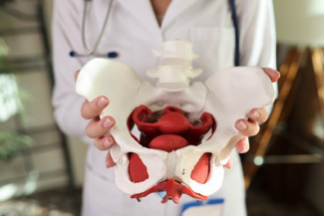
How Can Women’s Health Physiotherapy Help?
-
As a qualified Women’s Health Physiotherapist, I am trained to assess and treat the muscles and systems that support your bladder and pelvic floor. I will work with you to:
- Understand why leaking is happening
- Rebuild your pelvic floor strength, co-ordination and control
- Manage urgency and retrain bladder habits
- Give you simple, effective strategies that fit your life
It’s always personal, private and tailored to your needs, without judgement.
If you don’t want to suffer any longer, we can help. Call the clinic and ask for an appointment with Lauren
That’s what we hear from so many women, sometimes in tears, sometimes with a nervous laugh when they finally open up about their pelvic health. Maybe it’s bladder leaks when you laugh or sneeze. Maybe it’s pain during sex. Maybe it’s discomfort that started after having a baby, or one of those “unspoken” changes around menopause. Whatever it is
- Because you think it’s something you have to live with, or
- Because it’s embarrassing, or
- Because no one ever talks about it
UNTIL NOW
You are not alone and you don’t have to suffer in silence.
Introducing Women’s Health Physiotherapy At The Nicky Snazell Clinic
We are proud to now offer a dedicated Women’s health physiotherapy service, led by our compassionate and highly skilled physiotherapist, Lauren.
This isn’t just about treatment – it’s about feeling heard, respected and supported. Whether you are recovering from birth, managing menopause, or struggling with pelvic pain, Lauren is here to help you feel more in control of your body again.
You Are Not Alone – And You Don’t Have To Suffer In Silence
- Urinary incontinence
- Constipation or faecal incontinence
- Pelvic organ prolapse (that heavy or dragging feeling)
- Pain or discomfort with intimacy
- Postnatal recovery
- Menopausal changes
- Just wanting to understand and care for your body better
- And more…
Every appointment is completely confidential and care plans are tailored to your individual needs, combining hands-on therapy, education and gentle, empowering support.
“It takes courage to ask for help. I’m here to listen and support you without judgement”
What To Expect At Your Appointment
- At your first appointment we will talk about your symptoms, your goals, your story. Then, with your full consent, I may do a physical assessment which could include checking your posture, movement and breathing. If it’s appropriate and you are comfortable, I may also perform an internal assessment. Rest assured, you will always be in control of your care.
- From there, I will create a personalised plan of hands on treatment, education, exercises and support that fits into your life
If you don’t want to suffer any longer, we can help. Call the clinic and ask for an appointment with Lauren
Vitamin D, often called the “sunshine vitamin,” is in the spotlight for its role in everything from our mood and immune system to bone strength. But, despite its name, it’s technically more of a hormone than a vitamin—our bodies produce it when exposed to sunlight. It’s been called a vitamin for so long that most of us stick with that name, even though it might not be entirely accurate.
Why Is Vitamin D So Important?
Vitamin D plays a crucial role in many processes throughout the body. It’s not just about keeping our bones strong—it actually enters the cells and can even switch certain genes on or off, affecting up to 5% of our genes. This ability helps regulate a lot of important functions, including immune responses. That’s why it’s so critical for maintaining good health.
The Role of Magnesium in Vitamin D's Effectiveness
But there’s a bit of a twist—vitamin D doesn’t work solo. It needs a supporting act, and that’s where magnesium comes in. Magnesium helps convert vitamin D into its active form, which is the one your body can actually use. Without enough magnesium, taking vitamin D might not give you the full benefits, no matter how high the dose. Think of magnesium as the key that unlocks vitamin D’s potential.
Magnesium is also crucial for balancing calcium levels, which is especially important when vitamin D is doing its job of helping you absorb calcium. If magnesium is lacking, you might end up with calcium building up in places it shouldn’t, like your blood vessels, rather than strengthening your bones where it’s needed most. So, magnesium and vitamin D really work best as a team to keep your bones strong and your body functioning properly.
Why Is Deficiency So Common?
Vitamin D deficiency is surprisingly common, even in advanced countries like the USA, where about 40% of adults are thought to be lacking. Globally, estimates range between 14% to 59%. One reason is that it’s hard to get enough from food alone. Sure, it’s present in fatty fish, egg yolks, mushrooms, and liver, but most of us don’t eat these in large enough quantities to make a difference.
The real challenge comes from geography. Vitamin D production depends on sunlight, so those of us living further from the equator—like in the UK—struggle to get enough in autumn and winter when the days are short and the sun is weak. A study from Switzerland showed that during spring and summer, just 4 to 6 minutes in the sun with 22% of your skin exposed can produce 400 IU of vitamin D. But in winter, you’d need around 6.5 hours for the same result! This explains why supplementation becomes so important during the darker months.
How Much Do We Need?
The UK government recommends a daily intake of 400 IU to maintain bone health. The NHS and the European Food Safety Authority set the upper safe limit at 4,000 IU. Dr. Rhonda Patrick, a medical researcher, points out that the right dose can vary depending on your size, weight, and existing levels of vitamin D. Some experts argue that we can handle much higher amounts—after all, on a hot day, your skin can produce up to 20,000 IU with enough sun exposure.
But there’s a catch: you can’t overdose on vitamin D from sunlight, as the body regulates its production. Problems can arise if you take too many supplements over a long time, which can lead to too much calcium in your blood. This condition, called hypercalcaemia, can weaken bones and damage the heart and kidneys. So, if you’re considering taking more than the standard dose, it’s always a good idea to consult your doctor and possibly get your levels checked.
Who Is Most at Risk?
Some groups are particularly at risk of vitamin D deficiency. As we get older, our skin produces less of a substance called 7DHC, which is key to making vitamin D from sunlight. This makes it even harder for older adults to get enough.
People with darker skin tones also face challenges because their skin naturally blocks more sunlight, which is great for avoiding sunburn but makes vitamin D production slower. This can be a real problem in places like the UK, where sunny days aren’t exactly common. Research during the initial phase of COVID-19 highlighted that darker-skinned individuals, including many NHS doctors who were among the first to die from the virus, were more likely to have low vitamin D levels.
Vitamin D and Immunity: Lessons from COVID-19
Vitamin D’s role in supporting the immune system became a hot topic during the pandemic. Studies showed that having enough vitamin D might reduce the severity of illnesses like COVID-19 by supporting T-cells—our body’s immune warriors. In fact, we sent out a blog on Vitamin D and COVID back in January 2021, and the results discussed at that time were eerily similar to the findings being discussed today.
For those who would like to revisit that blog, here is the link.
That blog also had a link to a video by Professor Roger Seheult, an American Medical Doctor. For the more technically minded its well worth watching.
Here are some of the key facts from the 2021 blog:
- A study of 14,000 COVID positive patients in Israel showed that low Vitamin D levels doubled the risk of hospitalisation
- A USA study of 191,000 patients COVID positivity rate showed a clear inverse relationship with Vitamin D level. The higher the Vitamin D, the lower the rate. This study also looked in detail at the rate by geography, race, age and sex and found that in every case the higher the Vitamin D level, the lower the rate.
- A study of 20 European countries looked at the number of cases and mortality of patients compared to the average Vitamin D levels in each country and found an inverse relationship. i.e. the higher the Vitamin D, the lower the number of cases and the lower the mortality.
A randomised controlled study of COVID positive patients who were given Vitamin D supplements, showed 2% went to ICU, compared to 50% from the placebo group. This study was only 76 patients and is going to be repeated with a larger population. - A French study of nursing home patients showed that those who were given 80,000 iu per 2 to 3 months had a much higher survival rate than those who hadn’t had any Vitamin D in the previous month.
Clearly a lot of studies suggested there was a strong correlation between Vitamin D levels and acute respiratory infections (ARI). Evidence showed that COVID cases, ICU and mortality were all inversely proportional to Vitamin D levels. That meant the higher your Vitamin D level, within limits, the lower your chances of getting COVID, needing ICU and it being fatal.
Dr. David Grimes, a consultant physician, notes that vitamin D helps the immune system respond more effectively, which could mean fewer infections and better recovery when we do get ill. It’s like giving your immune system a bit of extra strength when it needs it most.
Dr. Grimes also points out that in cases of serious deficiency, a single high dose of vitamin D might be used to boost levels quickly, but it can take a week before it becomes effective. This approach isn’t common in the UK, even though it’s used in countries like Spain and Italy.
Vitamin D, Magnesium, and Long-Term Health
The benefits of vitamin D extend beyond immunity. It’s crucial for mental health, with low levels linked to mood disorders like Seasonal Affective Disorder (SAD) and depression. It also plays a role in maintaining strong bones by helping the body absorb calcium. But remember, without enough magnesium, this process doesn’t work as well, and you might not be getting all the benefits of your vitamin D.
Magnesium is like the supporting player that makes sure the calcium ends up in your bones—not where it doesn’t belong, like soft tissues. That’s why some people choose to take a magnesium supplement along with vitamin D. And of course, eating magnesium-rich foods like leafy greens, nuts, and seeds can help keep everything in balance naturally.
There’s also some research exploring potential links between low vitamin D levels and conditions like multiple sclerosis (MS). MS is more common in countries further from the equator, where vitamin D deficiencies are common, suggesting there might be a connection. However, while we know that low vitamin D can increase the risk, there’s no clear evidence yet that higher levels can prevent MS.
How Can You Boost Your Vitamin D Levels?
If you’re in a sunny place, getting outside is the easiest way to boost your vitamin D. But let’s be honest—that’s not always an option in the UK. For many, a daily supplement is the best bet, especially in the winter months. Dr. Grimes suggests that finding the right dose means testing your levels first and then adjusting your intake.
Some people also take vitamin K2 alongside vitamin D to ensure that calcium goes to the right places, like bones, rather than tissues, where it could cause problems. It’s an extra step that can make a big difference, especially for those with concerns about heart health.
So, Should You Be Taking a Vitamin D Supplement?
You simply can’t get enough from food and that’s probably why in 2016 the UK government recommended everyone should take Vitamin D supplements. Probably, as we are all living somewhere with long winters and limited sun. But as with most things, balance is key. Too little vitamin D can lead to a range of health problems, but too much can cause issues as well. And don’t forget about magnesium—without it, your vitamin D might not be doing its job properly. If you’re unsure, chat with your doctor, especially before taking high doses. And when the sun does shine, take the opportunity to soak it up responsibly—your body will thank you for it.
We will be blogging on Vitamin K2 and it’s importance to take alongside Vitamin D in a blog in the near future. If you have found this blog interesting, then the K2 blog is likely to be just as much.
During a womens health appointment, firstly you will be made to feel at ease! You can expect a thorough discussion about your condition which will include taking a full medical history, discuss your symptoms and concerns related to this and sometimes discuss things more holistically around your whole health. You will also be asked whether you have tried any treatments before.
- Wear something comfortable, that you can move around in.
- Also something that you can get changed in and out of easily may be useful as well.
A physical examination will be required and this may mean looking at how you move and how your body is put together to see if larger themes may be playing a role to your concerns. This may involve assessment of your trunk, legs and arms. Even bladder and bowel concerns can be tied to your whole body.
Equally, this may also include checking your pelvic floor muscles (this is with your full consent). We are assessing for strength, co-ordination and function. Sometimes assessing organ function with visceral manipulation and possibly imaging tests like Ultrasounds.
It is important that you understand the ways in which the therapist might interact with you and your body and at any stage you can say ‘NO’ and ask for an exam to be ended at any point.
The therapist may include certain things in the appointment and give you things to do at home. Together, these may include:
Women's Health Treatments
- hands on treatment (manual techniques),
- Discuss some changes to the way that you eat/drink or urinate/defecate
- Stretching and exercises
- Breathing techniques
- Pelvic floor exercise
- Acupuncture
- Self massage
- Life style changes
- Give you handouts
This will all be to help you meet your goals.
It is essential to communicate openly and honestly with your therapist during the appointment. But remember the plan is for YOU! So please speak up if any parts of it are confusing or don’t seem possible for you in your current situation.
If you are in pain, we can help
or call 01889 881488
Jean, Erica & Charlotte will be happy to help
Olympic Bronze Medalist 1992 Barcelona
Women’s Health & MSK Physiotherapist

When I started working in the Staffordshire area I soon heard about Nicky Snazell and how she was an amazing holistic practitioner. That was me, a holistic physio who looked at people as a whole. I was intrigued. I wanted to find out a lot more about Nicky and her clinic.
Read on to follow Sandra’s story.
I was soul searching and thought why not just reach out to Nicky. She engaged with me immediately and I knew that the connection was there. The thought of having the opportunity to work in a clinic with such an amazing therapist as Nicky completely blew my mind!
On visiting the clinic and meeting Nicky and Alan face to face I thought I had come home. It was a perfect setting and felt like I had visited the clinic before, although of course I hadn't. All the staff were so welcoming and warming.
On watching Nicky treat some of her patients, I knew I had to work here. She treated patients completely differently to anything I’d witnessed before and it was clear that her dry needling skills were at an unbelievably high level.
Although I am bringing another skill to the clinic as a Women’s Health/ Pelvic Health physio, I do use acupuncture as a treatment modality on a daily basis and Nicky would be a phenomenal acupuncture and dry needling mentor! The training and education that she has shared worldwide is amazing and I wanted to have some of that, as part of her team, shared with me too.
I am naturally very competitive, always striving to be my best, never accepting the status quo. I thus have a strong need to learn and learn from the best, as only the best will do. That’s why joining the team at Nicky Snazell Clinic was so important to me.
"I am so glad to be welcomed on board. Thanks for having me, I am honoured."
If you are suffering with any pelvic floor problems, then you are not alone, as a third of women suffer with this at some point in their life. Don’t suffer unnecessarily. Help is at hand.

If you are in pain, we can help
or call 01889 881488
Jean, Erica & Charlotte will be happy to help
Women are not talking about their Pelvic Health enough. Perhaps it’s because they are too shy or too embarrassed to talk about it. Not discussing these openly can lead to a sense of isolation for those suffering with the symptoms of bladder or bowel incontinence, prolapse, sexual dysfunction or any other pelvic health condition.
Sadly, most people have no idea what Pelvic Health is and more importantly that real and effective help is available to women of all ages.
Read on to understand more about how a pelvic health specialist can help you.
If you have a sore knee, shoulder or back, you would probably have no hesitation to go to a therapist. If you can get yourself to think about Pelvic Health as just another type of problem that can be helped, then seeking that help will come naturally and without hesitation.
If you have a sore knee, shoulder or back, you would probably have no hesitation to go to a therapist. If you can get yourself to think about Pelvic Health as just another type of problem that can be helped, then seeking that help will come naturally and without hesitation.

Specialist pelvic health physiotherapy is probably not the first thought when people realise they need help because they start leaking with exercise (stress urinary incontinence), suffer vaginal prolapse or have an over active bladder. Yet there is robust evidence around pelvic health physiotherapy and it is recommended as the first line of treatment for a variety of pelvic health conditions. That’s why GP’s and Consultants refer to specialist pelvic health physiotherapists.
Even with such referrals, clients usually turn up and have no idea why they are here and how physio is going to help them. Thus, ever since qualifying in this specialism, I have been on a mission to educate and help make a difference to women’s lives.
We need to start to chat about bladders, bowels and vaginas and do this openly, without embarrassment. My main mission is to empower you to take control of your pelvic health as much as possible without the need for drugs or surgical intervention.
If you are suffering with any of these conditions, we can help. You can be confident that your concerns will be dealt with both sympathetically and confidentially.