
In the first three parts of this pain relief series
Your Pain Relief Plan Introduction
I have discussed what pain is and how your brain can choose the level of pain felt, depending on range of holistic factors, to the extent that a person with a severe physical condition can suffer almost no pain, while another with milder physical problems can be in intense pain.
I touched upon the meanings and causes of acute pain, chronic pain and neuropathic pain and how to correctly assess and then treat holistically, the latter strongly supported by latest scientific research.
In this final part, I will look further into treating the symptoms of chronic pain and why there is a choice between a maintenance or wellness approach.
Lastly, I will discuss this clinic's 4 Keys To Health wellness approach which fits very well with latest research indicators.
What’s the Difference Between Maintenance and Wellness Treatment For Chronic Pain
For some of you, there is always going to be resistance to adopting a broad holistic approach to treatment and for you a more direct, hands on treatment regime is the best fit. It will be what you are comfortable with and only by being comfortable will the treatment be effective.
For others, who are more comfortable with embracing all things ‘wholistic’ then wellness will be a much better fit.
Note that we have switched holistic to wholistic above and this is not just a play on words. Historically, the term wholistic was used to convey treatment of the whole body and everything so far discussed has referred to the importance of exactly that. For example, the brain MRI scans proved a connection to wholistic factors.
The more recently adopted term of holistic, is subliminally referring to a hole, which is diametrically the opposite to the interpretation of whole.
At Nicky Snazell’s Wellness & Physiotherapy Clinic, our Wellness program adopts the full meaning of wholistic, and thus considers all factors such as diet, exercise, stress, social support to have significance, just as ancient doctors did. Our 4 Keys approach also provides a road map and monitors your progress to achieving improved overall health.
Such ‘soft’ factors are not included in our maintenance program and this will in many cases be a perfect fit to requirements.
Ultimately its up to you which approach suits you best. The most important issue is to ensure that if you are suffering from an unresolvable chronic condition, then you ensure you continue treatment to keep painful symptoms at bay and allow you to get on with your life and how you want to live it, confident in the knowledge that we have got your back if anything goes wrong. Far better that than existing not living, waiting for the next flare up, fearful to do the many things you love doing.
4 Keys To Health
 Our clinic has long promoted an approach to treatment which embraces both physical and social aspects. Nicky Snazell has written five books on this subject and has been invited to speak on over 30 radio stations right across the USA, to promote and educate an alternative to excessive opioid use, long before the COVID-19 pandemic started. The advice is equally important and valid to treating the forecast tidal wave of chronic pain coming.
Nicky’s first book, The 4 Keys To Health, available from Amazon, described an approach which looked at every aspect increasingly considered important:
- Mindset
- Nutrition
- Lifestyle
- Fitness & exercise
A simple traffic light system was included to score patients and provide a preventative road map to better health. Wellness, or prevention, is naturally incorporated into the service we offer.
Thus, the direction of Nicky Snazell’s Wellness and Physiotherapy Clinic has been consistently towards providing a capability which exactly matches the need as proposed by latest research.

- Do your homework. Complete our 4 Keys to Health questionnaire, provided below, to both help you understand your current condition and allow you to go armed with this knowledge when you see your therapist.
- Write an action plan from your results, for example, 10 minutes plus exercise a day, more sleep, better diet. Include a bucket list of special things you enjoy.
- Only use a good therapist who comes highly recommended. Your health deserves nothing less.
- Act now. If you are in pain, get properly assessed and treated as soon as possible. Delay just means you will suffer pain longer and can make it worse. Some conditions, if left too long, are irreversible.
- Think long term. Get your problem fixed now and then embark on a plan to both improve your 4 Keys and help prevent reoccurrence. Armed with a completed health questionnaire, your therapist can create you a personalised road map to better health.
Call 01889 881488 Now
p.s. Don’t try to book online at this time as that is only suitable for existing clients already being treated for an existing problem.
In the first three parts of this pain relief series
Your Pain Relief Plan Introduction
I discussed why we feel pain and how the degree of pain felt due to lifestyle factors could vary widely from one individual to the next. Also, when long term, typically over 3 months, the brain would effectively lock the pain in. Emotional trauma, even as far back as childhood, had been found to lock in pain for almost a lifetime.
I then went into more detail about how pain works and discussed the implications of ageing and the differences between acute and chronic conditions, and the most effective ways of treating these.
With this as a background, we will now explore the causes of nerve-related neuropathic pain and how it gets locked into the body. This in turn clarifies why exercise and /or some drugs may not be the correct pain relief solution when suffering neuropathic pain.
Pain Assessment
It should be clear by now that it is vital to be properly assessed by a qualified therapist before treatment starts. Otherwise totally, the wrong treatment could be provided. But we need to go back one stage further to obtain an effective assessment.
In a separate series of blogs on A Different Perspective on Your Physiotherapy Assessment, I explained the vital steps needed for a successful assessment before even starting the physical assessment. This included creating the right environment to build connection and trust, without which a detailed understanding of the back story behind the problem could not be effectively communicated.
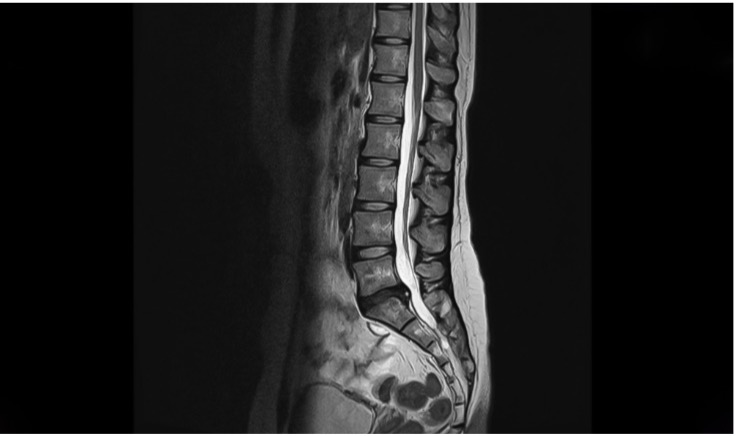 Even with this approach, therapists, however qualified, are trained to manually assess conditions but ultimately can only come up with a provisional diagnosis. To confirm this diagnosis, additional scans, such as EMG to look at nerve function, MRI, Xray and ultrasound may be needed. Even then, some conditions are invisible to such scans. Scans may thus be able to eliminate some causes, but not able to confirm the actual cause. A good example is that neither MRI nor X-ray can see muscle spasms, the latter being responsible for a lot of neuropathic problems, such as sciatica.
Holistic Treatment
Those of you who have previously had a dislike or mistrust of the term holistic, should by now, if you have read my previous three parts of this series, realise that even latest scientific technology has measured non scientific factors as having significance. It has been confirmed that pain is modulated by factors such as attention, anticipation, empathy, placebo, meditation, fear, anxiety, posture, emotion and movement. This, in turn, has confirmed the benefits of a more holistic approach to assessment and treatment.
Our ancient Doctors, called Shamans at the time, always knew that the link between mind and body was key to healing. Those same ancient Doctors would look at the whole body, the mindset, fitness, diet and lifestyle of the patient. They also knew that the level of social support the patient had was a key factor.
Latest research is confirming these same links between mind and body as it has now been found that without consideration of the whole, Long-COVID sufferers, for example, will struggle to heal.
Further, we know that the backstory and meaning to the patients’ pain is
essential to understanding the suffering. Without listening to and understanding the backstoryand
 meaning, the minds’ healing process cannot start. Evidence suggests that in chronic and complex pain cases, there are likely to also be problems with fear, mood and personality.
The negative factors in our modern day lifestyle, particularly as the world is experiencing a pandemic, are worsening. As a consequence, it is feared that that there will be both an increase in the rate of chronic pain cases and the severity of its impact will have widespread social implications.
The case for a more holistic approach is thus building if we want to successfully fight this growing threat.
Pain Relief – The Way Forward
Pain, as we have seen, can result from a multitude of causes. Pain can be acute or chronic, physical or emotional, physical or neuropathic and is impacted by other factors including emotion, mindset, exercise, nutrition and lifestyle.
Clearly, the therapist you choose needs to be properly qualified to assess and treat you both physically and holistically and incorporate the significance of your mindset, fitness, diet, lifestyle, emotional support network and be empathetic to your story.
In the final part of this blog series Pain Relief – Your Escape Plan I will explain in more detail the approaches to treating the symptoms of chronic pain problems and highlight the differences between maintenance and wellness. Lastly, I introduce our clinic's own 4 Keys To Health approach and how it fits with Wellness.
Call 01889 881488 Now
p.s. Don’t try to book online at this time as that is only suitable for existing clients already being treated for an existing problem.
In parts 1 and 2 of this pain relief series:
Your Pain Relief Plan Introduction
I discussed why we feel pain and how the degree of pain felt due to lifestyle factors could vary widely from one individual to the next. Also, when long term, typically over 3 months, the brain would effectively lock the pain in. Emotional trauma, even as far back as childhood, had been found to lock in pain for almost a lifetime.
I then went into more detail about how pain works and discussed the implications of ageing and the differences between acute and chronic conditions, and the most effective ways of treating these.
With this as a background, we will now explore the causes of nerve-related neuropathic pain and how it gets locked into the body. This in turn clarifies why exercise and /or some drugs may not be the correct pain relief solution when suffering neuropathic pain.
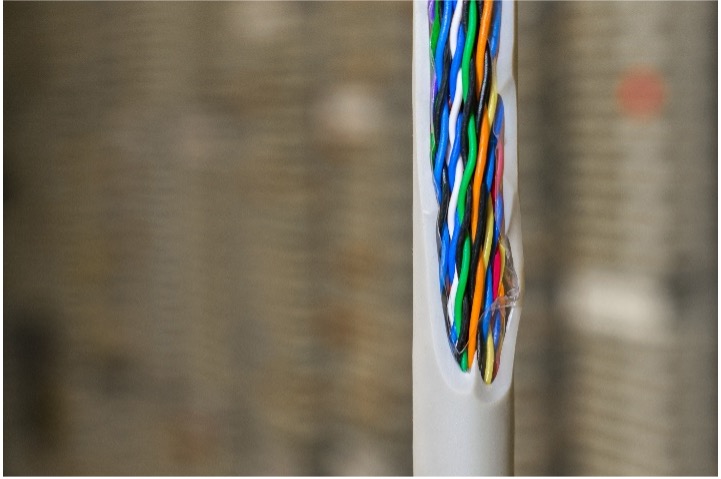 We have explained that the pain signal is passed through the nervous system up to the brain. As an analogy of a nerve cord, imagine a tight bundle of tiny electrical wires and that each one of these wires is connected to a specific part of the body. Imagine, as an example, an injury and inflammation to your foot and that one such ‘wire’ is connected to a very small part of that injured area. It will send a pain signal to the brain, and of course, the brain knows exactly where the wire is connected in the body. The result is you will feel pain in your foot.
Now let’s go one stage further. That nerve bundle travels down your spine until it reaches the point at which it exits the spinal cord and passes down your leg to your foot. Imagine I could find that exact same wire in your spine. If I were to squeeze it, your brain would interpret that as a pain signal linked to your foot. You would feel exactly the same foot pain, but the problem this time is in your back. You may or may not have a real problem in your foot, but you would still feel pain in your foot.
Long-term pressure on a nerve will cause it to become super-sensitive and send pain signals even when there is no injury
Now, let’s go another stage further again. Imagine that nerve in your spine had previously been strangled for a period of time by a tight muscle contracture. Extended pressure on a nerve will cause it to function incorrectly and it will become ‘super-sensitive ’. That nerve will now send pain signals to the brain even when there is no current injury. In effect, the previous injury is locked in. Imagine a faulty wire having a similar effect.
Pain like this is called neuropathic pain because the nerve is super-sensitive.
The Do’s and Don’ts of Exercise
It’s not necessarily the case that exercises are appropriate at the start of treatment, as in some cases exercises, incorrectly timed, will make matters worse, not better. Neuropathic pain resulting from a trapped nerve is an example where exercises should not be given until the trap has been removed, allowing the nerve to move freely.
As an analogy, imagine I grabbed your wrist so hard that it hurt. Your reaction might be to try to pull your arm and wrist out of my grip. But if my grip is too strong, all that will happen is that your arm will ache and your wrist will be very sore. Yanking on a trapped nerve by exercising will have the same result. Exercise prescription needs to wait until the nerve is no longer trapped.
The Pro’s and Cons of Pain Medication
Pain may be a signal that something is wrong, but at best it’s not pleasant and at worst it can prevent normal daily living. If long term, it can cause depression and a loss of will to live. Thus, medication is an important part of our arsenal to control the pain until the cause of the pain has been established and then successfully treated.
There are, however, downsides to medication. The first and most obvious is that the medication works by masking or blocking the pain signals and does not treat the actual cause of the pain. Further, by masking the pain, it prevents us from getting the warning that something is wrong. Thus, we may continue to do the very things that the pain is trying to warn us not to do. If used long term, medication may, as a consequence, exacerbate the problem.
Opioids are ineffective in treating chronic pain
Secondly, when the pain level is severe, opioid based drugs are often prescribed, with no differentiation between acute and chronic conditions. The problem here is that chronic conditions will most likely need long term medication and opioids are naturally addictive. In fact, so much so, that opioids have caused the majority of drug addictions in the USA. To make matters worse, opioids have been recognised for some time as being ineffective in treating chronic conditions.
Thirdly, most drugs have negative side effects and long-term use can be dangerous.
To summarise, trapped nerves will cause neuropathic pain, a form of locked in pain which in itself can be misleading, as incorrect diagnosis could lead to treatment of where the pain is perceived, instead of where the cause of the problem resides.
It thus should come as no surprise that exercising, which will mean pulling on nerves to allow movement, will only make matters worse if those nerves are trapped.
Drugs are an effective short term solution, but care should be taken to avoid opiates when dealing with chronic conditions, as it is well proven that opiates are ineffective in such cases.
In the next part of this pain relief series Your Pain Relief Plan Part 4 I will discuss the assessment and the scientifically proven importance of holistic factors.
Call 01889 881488 Now
p.s. Don’t try to book online at this time as that is only suitable for existing clients already being treated for an existing problem.
In part 1 of this series, Your Pain Relief Plan Introduction I discussed why we feel pain and introduced the concepts that the degree of pain felt could vary widely from one individual to the next due to lifestyle factors. Also, when long term, typically over 3 months, the brain would lock the pain in. Emotional trauma, even as far back as childhood, has been found to lock in pain for almost a lifetime.
In part 2 of this pain relief series, I will get into more detail about how pain works and discuss the implications of aging and the differences between acute and chronic conditions and the most effective ways of treating these. But first, a quick look at the brain, how it has evolved and how this relates to processing pain.
Read on
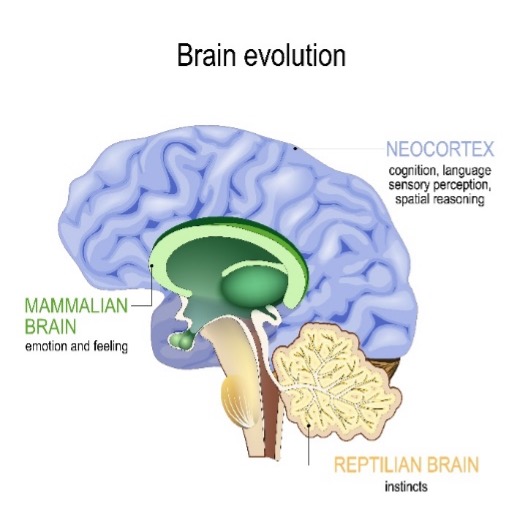
The oldest part of the brain is the reptilian brain, which deals with basic survival instincts. Next came the mammalian brain, which added the ability to feel emotion. The third part is the human brain, the Cortex, which gives us our human qualities of cognition, sensory perception and spatial reasoning and is in charge of the human decision making process.
Your nerves transmit pain signals. Inside your nerves you have sensors for temperature, stress, movement, pressure, immunity molecules and blood flow. Similar to car sensors, any damage or fault to any of these sensors will put a light on your dashboard, to alert you of a problem. The nerve does the same thing by increasing pain.
These pain impulses travel up the spinal cord, to a part of the brain which acts like a router (called the thalamus, which sits on top of the reptilian brain) and as a simple analogy, this router makes phone calls to other parts of the brain. Thus it acts like a hub on a wheel, sending out and gathering information from various parts of the brain. For example to:
- the sensory cortex (which interprets the sensory nature of the pain)
- the mammalian amygdala (which assesses the level of fear, as it is the emotional centre, and decides if the body needs to shut down digestion, cell division, circulation etc.)
- the neocortex (which is in charge of the human decision-making process).
Once information is gathered, the thalamus sends it forward, like a train leaving a station, through the limbic system ( the mammalian brain) where emotions are added on the train journey. Thus a person who is fearful or anxious will feel more pain. The train journey ends at the human brain where a decision of the level of pain felt is made. It is vital to understand that the degree of pain felt is not directly related to the initial cause of the pain signal, as there are many factors to consider, such as:
- Body sensation and location
- Movement – muscles may need to brace the area
- Focus & concentration
- Fear response
- Memory area recalling previous similar experience
- Motivation - processes pain
- Stress response - weight, digestion, sleep, temperature
All factors interact to decide on the suffering experienced. This may have little to do with the degree of injury and hence makes it clear that a qualified and knowledgeable therapist is needed to properly diagnose and treat the injury.
The Consequences Of Aging
As we age, we need to put more care into diet, supplementation, exercise, and our workload. It sounds simple, but many of us fail to even acknowledge that as we get older, we have to change the way we use our bodies. As we age, naturally occurring enzymes are fewer, inflammation is greater, and the production of inflexible scar tissue becomes much more extensive. Therefore, long-term solutions for pain relief also need to address our ongoing biochemical changes.
Sleep quality tends to deteriorate and ongoing deprivation can lead to symptoms virtually indistinguishable from widespread pain, fatigue and diffuse tenderness. Early evidence also shows that anxiety, depression and sleep disturbances have been common reactions to the COVID pandemic. Thus the problems faced by Long COVID sufferers are likely to be with us for many years to come.
What is the difference between Acute and Chronic Pain?
Acute pain is a safety mechanism located in the reptilian brain, the oldest part of the brain. It’s this ancient reflex system that makes you quickly take your hand out of the fire. Acute pain is typically pain which has resulted from a recent injury, such as a twisted ankle, bruised or torn muscle. In most cases acute pain needs immediate treatment and is usually resolved within a few treatment sessions combined with exercise prescription.
Chronic pain, by its nature, may not be resolvable
Chronic pain is long term pain, beyond 3 months, as the brain has hard wired the pain in by that time. Chronic pain can occur because of numerous conditions, such as emotional pain, joint wear and tear (osteoarthritis), spinal disc thinning, bulging or rupture, bone thinning (osteoporosis), unresolved tendon or ligament damage, to name but a few. Chronic pain, by its nature, may not be resolvable. It may need a lot more treatment than acute pain to bring down to acceptable levels and will benefit greatly from ongoing maintenance or wellness treatment to prevent reoccurrence.
Modern science confirms benefits of a more holistic approach
Latest neuro imaging technology, which can see the electrical activity in the brain in response to different lifestyles, has allowed the world to delve deeper into the understanding of chronic pain. It has confirmed that pain is modulated by factors such as attention, anticipation, empathy, placebo, meditation, fear, anxiety, posture, emotion and movement. This, in turn, has confirmed the benefits of a more holistic approach to assessment and treatment.
This new insight into chronic pain helps explain why, for example, X-rays showing the degree of osteoarthritis in joints has no correlation to the pain being felt.
To summarise, we have shown how each persons brain can process pain differently, to the extent that one person may feel tremendous pain, when another, with essentially the same condition, might feel little or no pain at all.
The availability of latest MRI scanning technology has verified that many non physical factors can impact the way pain is handled in the brain. This in turn supports the benefits of a more holistic approach to assessment and treatment.
Acute problems are usually caused by a recent injury and are best treated promptly, whereas chronic problems are longer term and tend to be related to the aging process. Chronic pain in many cases cannot be resolved and lends itself to a longer term control of symptoms, rather than treatment of root cause as with an acute injury.
In my next blog Your Pain Relief Plan Part 3 I will explain neuropathic pain and the effectiveness of both exercise and drugs and where these may be the wrong solution.
If you are in pain, then it’s important to get help as soon as possible. It is even more important if you have been in pain for an extended period, as you may be risk of your pain becoming locked in and the degree of pain you may feel may not be consistent with the severity of the cause.
Call 01889 881488 Now
p.s. Don’t try to book online at this time as that is only suitable for existing clients already being treated for an existing problem.
Great news. The sun is shining, and it’s holiday time!
Most of us have been couped up for the best part of a year, probably getting a lot less exercise than normal and possibly desperately needing some treatment for pain. Every year we get a surge of clients who have put their back out and need urgent help to resolve back pain before their holiday. This year it’s likely to be a bigger surge due to the relatively low activity due to COVID dragging on.
We are here to help and we will no doubt be able to get you out of pain in time for your holiday. But it’s important to realise that in most cases we won’t have enough time to completely fix the problem, so you will need to be a bit careful on your much looked forward to holiday.
Here is some simple advice to help you avoid ruining your holiday
First, let’s understand pain a little. When we are in pain, it’s difficult to get it off our minds. But once it’s gone, you can’t remember it, can you? You can remember you didn’t like the pain, but you can’t recreate the pain in your mind. There lies the risk.
Once the pain is gone, it’s forgotten and we feel good. Then we do stupid things and the pain comes back with a vengeance. What is one of the main culprits? Suitcases.

If you think about basic health & safety when picking things up, the rule is bend your legs, not your back. It makes sense, but not easy to do when putting a heavy suitcase in the boot of the car, or fighting to get the suitcase off the conveyor at the airport. Worse yet, one sure way of putting your back out is to lift and twist as the same time. What do you do when you take a suitcase out of the boot? You are in the way, so you twist and put the suitcase down! Ouch, home goal. Now for the Physiotherapy
Stop and think
Try two lighter suitcases instead of one heavy one. Bend your legs putting the suitcases in the boot, or even get two of you to do it. When you take a suitcase out of the boot, avoid twisting, instead rotate on your feet, like a robot.
Be extra careful with airport conveyors. They tend to be a free for all, and fighting to get a suitcase off before it goes past is a sure way to put excessive lifting and twisting loads on your back.
We have had many clients who ruined their holiday before it started. Don’t let that be you.
If you are in pain, we can help
Call 01889 881488 Now
Jean, Erica & Charlotte will be happy to help
Physiotherapy Treatment For Vertigo Caused By BPPV
Vertigo is a problem that affects around half the population at some point in their lives and is more common as we get older. Fortunately, the symptoms usually only last for a few seconds to a minute or so, but the symptoms are very unpleasant including:
• Nausea and vomiting
• Dizziness
• Fainting
• A sense of rotating
• Inability to stand or walk
What Causes Vertigo
It is widely accepted as the most common cause of vertigo is BPPV (Benign Paroxysmal Positional Vertigo) and this is linked to the 3 semi-circular canals in the inner ear. The role of these canals is to sense the position of the head in the 3 axes of up /down, right / left, forward/ backwards. If any incorrect signals occur, the brain doesn’t know where your head is and gets confused.
Faulty signals are caused by very small chalk crystals becoming loose and getting into the semi-circular canals. These loose crystals then move in the canals, stimulating faulty signals.
The types of movement which most frequently initiate a vertigo attack are rolling over in bed, getting out of bed, sitting up after lying flat or looking up or down.
Vertigo Treatment
Left untreated, vertigo will usually resolve itself but may take several months. Fortunately, treatment is fairly simple and painless and typically no more than 3 specialised Physiotherapy treatments are needed over a couple of weeks.
David Paling, a senior physiotherapist and our clinical lead can diagnose and treat BPPV.
If you or someone you know is suffering from vertigo, then physiotherapy treatment with us should seriously be considered.
Call the clinic now on 01889 881488 and ask for an assessment with David.
Spinal Disk Bulge Physiotherapy For A Spinal Disc Rupture
Can a disc slip? The simple answer is no. It’s a layman’s term that is unfortunately very misleading to the general public.“My disc has slipped out, can you put it back in” is not an uncommon conversation opener on the telephone. Of course, it’s quite difficult then to get the caller to understand that this can’t actually happen, which is why Spinal Disk Bulge Physiotherapy is key to recovery.
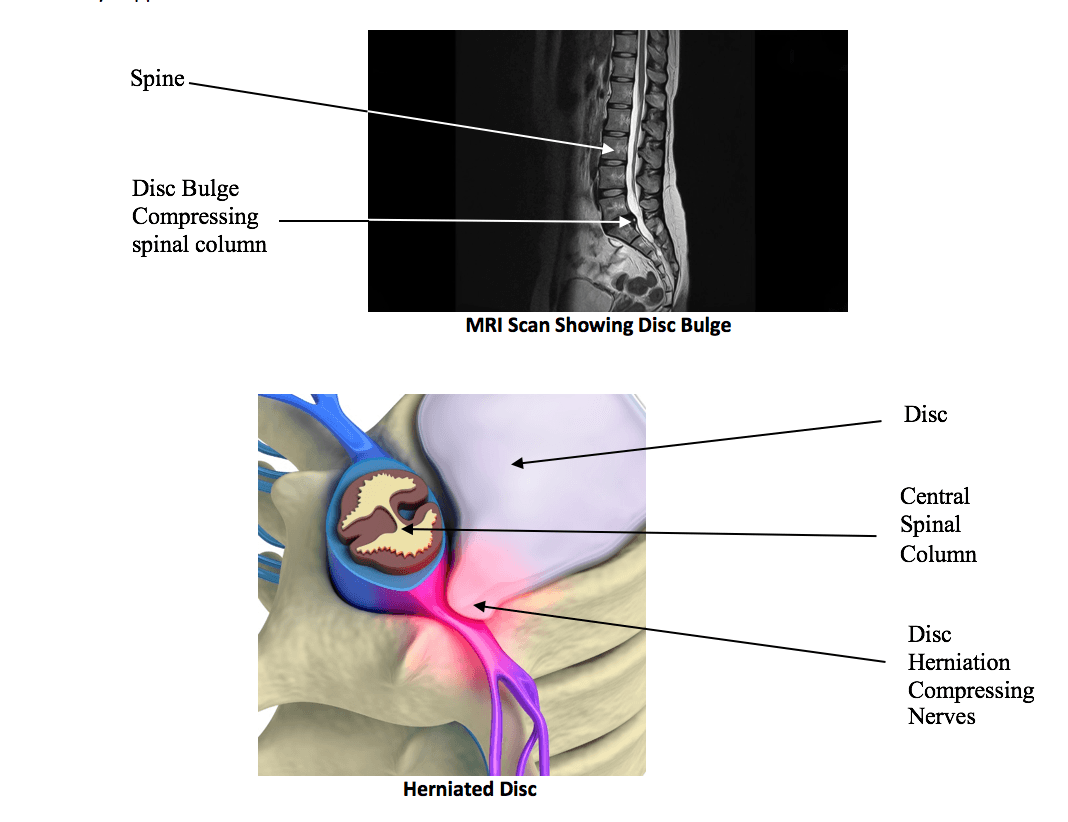
Let’s look at the spine’s anatomy and in particular the role of the disc.
The spine is made up of 7 cervical (neck) bones called vertebrae, 12 thoracics (middle) vertebrae and 5 lumbar (lower) vertebrae. The top 2 vertebrae in the neck are a little bit different, so putting those to one side, between each pair of the remaining vertebrae there is a disc, the purpose of which is to provide shock absorption and allow movement. The disc itself is attached strongly to the vertebrae and cannot slip out.
A disc is made up of a tough fibrous structure on the outside, layered in exactly the same way we make cross-ply tyres. On the inside, there is a soft, crab paste-like moist material. As we age this tends to dry out. There are also endplates in contact with the vertebrae. The spinal disc is 70% to 90% water, so making sure you are well hydrated is very important to disc health.
There are two major types of damage to these discs. The first is when the disc is overloaded sufficiently to cause a protrusion, or bulge in the outer wall, as in the diagram above. This is similar to what you see on the side of a car tyre when it has hit a curb. Sometimes this is referred to as a slipped disc. It’s not possible to just push the bulge back in, but specific exercises can help to relocate this and over time the disc may heal itself.
The second and more serious damage is when the overload has been sufficient to rupture the outer fibrous structure and force the inner material to squeeze out. This is called a herniated or ruptured disc.
What Are The Implications Of A Disc Bulge Or Herniated Disc?
A disc bulge will cause pain if it is central and compresses the central spinal column, or if it bulges to one side into the exiting nerves. In either case, if the compression is significant enough, it will cause pain and/or numbness and weakness and possibly loss of control in the limbs.
If the disc bulge is central it could cause problems down both sides of the body. If the bulge is on one side, it will only cause problems on that side.
If the disc has been ruptured or herniated, the same problems with compression of the central spinal column and exiting nerves can occur. In addition, if chemicals from the inside of the disc come into contact with the nerves, it can cause severe pain even without any compression of the nerves. In such cases, a course of anti-inflammatories will most likely be prescribed.
Can Spinal Disk Bulge Physiotherapy Treat A Disc Bulge or Herniated Disc?
In many cases, a bulging disc and a herniated disc will over time heal themselves. The time required may depend on the severity of the problem and may take from weeks to months to resolve. Physiotherapy treatment can help reduce the pain much more quickly. The key is to get an accurate diagnosis through a physiotherapy assessment, possibly needing an X-ray or MRI. Treatment can include specific exercises to help reduce the disk bulge, Gunn IMS dry needling, electroacupuncture, laser, shockwave, core stability rehab and postural rehab. In severe cases, surgery may be needed.
If you have suffered a recent back injury or had a long-term problem then it’s advisable to get your condition assessed and treated. We have extensive skills in treating spinal pain and clients travel from all over the UK and abroad to seek our help.
Call 01889 881488 now.
'The Body’ Nicky’s second instalment of her fantastic ‘Human Garage’ Trilogy is days away from release!

‘The Body’ Nicky’s second instalment of her fantastic ‘Human Garage’ Trilogy is days away from release!
To celebrate we are offering an amazing 45% off any Magnetic Resonance Treatment. If you or someone you know needs help with Osteoarthritis, Bone Problems, Sports Injuries or Spinal Disc issues.
Call us on 01889 881488
“For a longer active life”
Offer ends 30th September
Terms and Conditions apply.
The key to healthly exercise
The key to healthly exercise is just that.Let’s take another look at why we should exercise so we can hold a green fitness key.Today I find that humans are far too sedentary, all too
often sitting in front of a computer by day, followed by
sitting in front of a TV at night. This lack of physical
activity causes emotional and physiological imbalances,
but we can change this by looking at how we exercise; improving your
fitness changes your chemistry, acts as a powerful antidepressant, promotes
mental clarity, and reduces the likelihood of cancer.
If you’re not happy with either how you look or feel about your weight,
then with correct guidance, you can break out of inactivity and be rewarded
by smiling at yourself whenever you see your reflection. I will guide you towards 4 green keys to health and tonight is fitness.
You can learn more about how and when you should
exercise, as getting the correct mix can extend your life.
When I am working at my clinic, I hear echoing around the walls: I am too
old to exercise, too old to work. Are you too old to exercise? Well, no one told
Jiroemon Kimura (born 1897) that he was too old. He passed away recently
at age 116, farming until he was 90 years old. Remember the Carry On films?
Well, did you know that Barbara Windsor carries on exercising in her late 70s?
You can find her in her gym wear keeping fit outside in Hyde Park.
Over 450,000 people in the USA and over 70,000 people in the UK risk total
knee replacement every year. Want to talk pain? Then talk TKR. What’s
worse is that it is unsuccessful 10% of the time, and you can even die from
having total knee replacement. Furthermore, the age for TKR is constantly
dropping. Why? Anybody want to hazard a guess? That’s right: obesity.
Now, this isn’t proven yet, but it is most likely the biggest cause.
So, what happens when you get fat? Ladies, take the ‘C’ off chips and you
know what you get! Guys, you put it on around the waist and lose sight of
your favourite toy! What you probably don’t know is that your knees are
loaded with up to four times your weight, so every extra stone (14 lbs) is
an extra four stone (56 lbs) on your knees – that’s why knees are so often
the first casualty with OA. If you want to know why the four times multiple
occurs, it’s because of leverage. Now, you are intelligent people, and you are
surely interested in health or you wouldn’t be here. So, why have you made
the decision to get arthritis? Made the decision to get lots of pain? Made
the decision to risk surgery and even death? It’s because much of the pain
associated with the pleasure of eating too much is too far away, and anyway,
going to the gym is a pain for most. We need to change the way we think
about exercise, and hopefully this chapter will go some way to doing that
for you.
Here’s some more cheery news: an in-depth study into retirement found
that men in their sixties are every bit as good at driving business than those
physically and mentally in their prime. In later life, prescriptive exercise is
more effort than swallowing a pill, but it is well worth it; in a nutshell, you get
less senility and less pain. Exercise weaves its magic, strengthening the heart,
releasing more neurotransmitters for cell communication, boosting BDNF
for improving neural connections in the brain, aiding metabolism, improving
blood flow, stimulating toxic disposal systems, and strengthening bones.
This next fact gets me out running in howling gales and rain: current research
in Sweden shows that exercise alters the way genes work in the tissue that
stores fat, and changes in adipose tissue storage sites were measurable even
with just two workouts a week. Epigenetics has always fascinated me since
studying biology, and this is the study of how chemical alterations will
change how genes work in a cell. This allows us to fine tune our body to a
changing environment.
Exercise alters this process in muscle cells and improves how sugar is
processed. Furthermore, adipose tissue (fat cells) is an organ in its own right, producing active chemicals that have profound effects on the body. In
this tissue, 18,000 markers were found on 7,663 genes! This is leading to a
greater understanding of why exercise helps fatty tissue do its job properly,
which means that as we get older, we don’t have to have such a lumpy,
bumpy body. This smooth body needs a good structural support.
The 4 keys to health
The 4 keys to health is all about investing in the healthiest happiest future you could wish for with sound scientific knowledge and big spoonfuls of commonsense and experience.Tonights blog is for nutrition week. The traffic lights approach to healthfor the 4 keys to health gives one point for every yes answer.
0 – 3: RED.
3 – 6: AMBER.
6 – 9: GREEN.
Scores: Now count up your scores – are you red, amber, or green for this key?
Initial score:
Once you’ve read the chapter and implemented any changes, take the
questionnaire again to see how much you’ve improved.This questionnaire is in 4 parts.
Diet and Blood Sugar Levels
• Is your weight good for your age and height?
• Do you have lots of energy and do you like to exercise?
• Are you free from joint pain?
• Do you rarely feel like dozing in the day and feel alert after eating?
• Do you hardly ever get stomach ache or bloating?
• Do you concentrate easily with a clear memory and few
headaches?
• Do you hardly ever need sweet food or caffeine fixes?
• Do you jump out of bed, raring to go?
• Do you rarely feel dizzy / irritable / have mood swings in
gaps between meals?
Water
• Do you rarely have thirst / dry mouth?
• Do you rarely get headaches?
• Is your urine a mild (not dark) yellow colour?
• Are your skin and lips moist, not dry?
• Do you have regular bowel movements most days?
• Do you have less than two glasses of alcohol a day?
• Do you have five helpings of fresh fruit and vegetables a day?
• Do you have several glasses of fruit water / juice / herbal
teas a day, even if resting?
• Do you avoid having too many salty snacks?
Healthy Low Homocysteine Levels (repairing DNA
and building nerves / cartilage)
• Is your weight satisfactory and stable?
• Are you a clear thinker with a good memory and rare
headaches?
• Do you eat healthily with green veggies, seeds, and nuts,
but aren’t vegan?
• You are not an alcoholic, smoker, or heavy coffee drinker?
• Do you have little joint pain?
• Do you have great stamina without weariness?
• Is your cardiovascular system and blood pressure normal?
• Do you sleep well?
• Are you rarely angry, irritable, or down?
Essential Fats
• Do you have healthy hair?
• Do you have flexible, pain-free joints?
• You are not taking painkillers?
• No arthritis, asthma, or eczema?
• No diagnosed cardiovascular problems?
• Do you spend more than thirty minutes a day outside in
sunlight?
• Do you eat healthily with oily fish, about four eggs a week,
seeds and nuts most days, and fewer than two alcoholic
drinks a day?
• Do you have a good memory, learning abilities, and
concentration?
• You don’t get down, anxious or unnecessarily angry?
Anti-Ageing, Anti-rot, Antioxidants
• Are you a quick healer?
• Are you younger than middle aged (40)?
• Do you have healthy skin?
• No diagnosis of cancer or cardiovascular disease?
• Don’t bruise easily?
• Do you live in quiet, clear air, healthy countryside, not
near major roads?
• Do you eat healthily with five lots of fruit and veg a day,
raw seeds / nuts, and at least two oily fish a week?
• Do you take antioxidant supplements?
• Do you exercise and raise your heart rate five times a
week?If you got a red key read my blogs or get a copy of my book,through www.thepainkiller.co.uk,www.painreliefclinic.co.uk, or amazon.